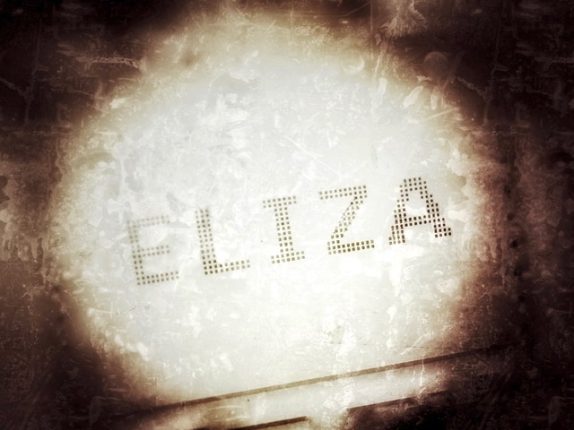
Pete, ELIZA and me?
Relationships don't always require two human beings. Psychotherapist and counsellor Duncan E. Stafford's personal essay explores what artificial intelligence revealed about projection, companionship, ageing and the enduring question of what makes us ourselves.
I’m different; I just didn’t know in how many ways
Some people spend years carrying the quiet feeling that something about them doesn't make sense. Heather Oglesby reflects on growing up neurodivergent, AFAB and queer, and the long journey from masking and misunderstanding to self-recognition, authenticity and joy.
Getting to know your ADHD brain: The cerebellum and why things might feel out of sync
ADHD is often linked to attention and impulse control, but emerging research highlights the cerebellum’s role in timing, coordination and emotional regulation. This article explores how cerebellum function may shape ADHD symptoms, from task switching to emotional intensity, offering a fresh, neuroscience-informed perspective on why daily life can feel out of sync—and what may help.
When grief has no clear shape: Much love, your brother
Grief does not always arrive with clarity or resolution. Sometimes it lingers across years, reshaping itself through memory, family dynamics and the passage of time. Here, counsellor and psychotherapist Duncan E. Stafford explores a personal story of family loss, sibling grief, imagined lives, continuing bonds and the quiet ways love endures across a lifetime.