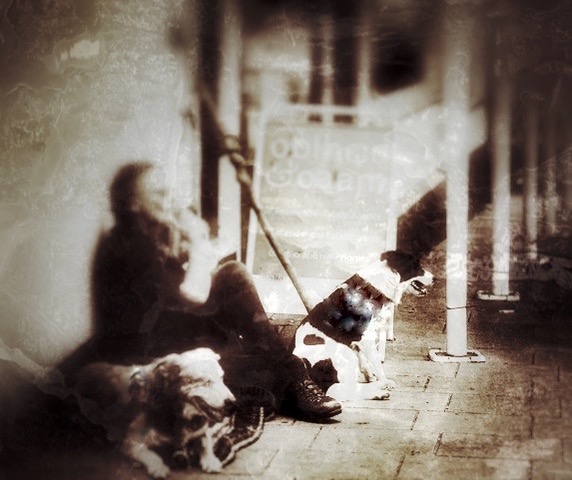
 The people we pass, the lives we glimpse and the stories that sit beneath the surface of everyday encounters become the starting point for psychotherapist and counsellor Duncan E. Stafford to reflect on belonging, individuality and how easily we overlook one another.
It’s pretty early in the city. I’m lucky that some mornings I have time to walk the streets before they have really settled into their default.
Over time, you build up maps of these streets – made not of roads but of people and encounters. There are the expected sightings, the unexpected meetings and the occasional surprise that becomes part of the landscape. There are, also, almost fixed features like Chris and Steve – sometimes offering just a “Hello, you alright?” and at others full and, frankly, very meaningful conversations. Both are still trying to make their way back into what I like to call the soup of society.
I know that it’s more usual to get paid to write articles, but this one I’ve paid to write. Over the years I’ve lost count of the coffees, cigarettes, burgers in a bun and mugs of strong, sweet tea I’ve bought while listening to people whose lives most of us hurry past. It’s been money very well spent.
Chris in particular is an exceptionally engaging fellow. Abused as a child by both his parents, he was taken into care. In his twenties he married and, for almost five years, had a flat, a job and a “darling little girl”. Alcohol became his first spoiler, followed by drugs, which took his child away from him.
But most people I wander past aren’t fixed figures on the street; they are passers-by. Different day, different people, different places. Some are the remnants of the night’s excesses: party animals, dishevelled, limping, weaving from side to side along the narrow old-city lanes. A couple of working girls drift in the opposite direction from the gym bunnies and tattooed male torsos heading towards the fitness palaces that feed the sweaty, health obsessed. Deliveries arrive. Shutters rattle open. Someone is always urinating in the street – men and women – and then the first coffee drinkers begin to appear, clutching paper cups as though nursing a child with a fever.
At first glance the streets are a celebration of individuality. Hair dyed impossible colours. Carefully distressed denim. Beards cultivated with the precision of topiary. Sleeves of tattoos announcing rebellion with almost religious consistency. But walk these streets often enough and something curious happens. The extraordinary becomes ordinary. The individual dissolves into the tribe.
The city is full of people determined not to look like everyone else, and yet they have an uncanny habit of looking exactly like everyone else who has made the same determination. Every generation invents its own uniform while congratulating itself on having escaped the last one. Perhaps that’s inevitable. We’re social creatures before we’re independent ones. Belonging is a powerful instinct. We borrow our identities from those around us long before we realise we’ve done it. The irony is that the harder we work at appearing unique, the easier we become to categorise.
Chris has never struck me as unusual because of what he wears. Steve doesn’t draw attention because of his haircut. They stand out because, after a while, I know something of their stories. Once you’ve heard a man describe losing his daughter to addiction and his own failures in the same matter-of-fact voice he’d use to discuss the weather, tattoos and trainers seem like very thin descriptions of a human being.
Perhaps that’s what these morning walks remind me of. We are far less visible than we imagine ourselves to be, and far deeper than we allow strangers to see.
Note
Chris and Steve are not the real names of my street friends, but they are ones they chose to be called by in this article.
________________
Return to THE NOOK
All rights reserved © Copyright Duncan E. Stafford 2026. Unauthorised use and/or duplication of this material without express and written permission from the author of this post is strictly prohibited. Author contact via website Contact page.
Website version and image © Copyright Therapy Place Bristol 2026. Article published August 2026.